
Furibon's Captive Afterlife
Vainqueur the DragonThis flow follows Furibon after physical defeat, showing how the trapped lich becomes an unwilling witness and reluctant adviser to the heroes.
increasing Bearing strength in each event
 decreasing
Bearing strength in each eventdecreasingThe Lich's Defeat
The Lich's Defeat
Immortality Reversed
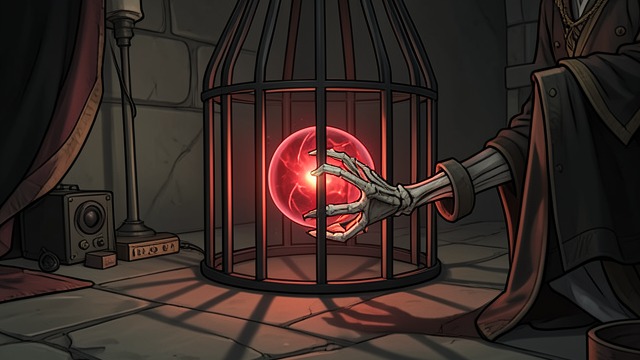
Furibon expects his phylactery to guarantee freedom, but Victor Dalton's Helheim captures his soul in the Killer Scythe. Immortality becomes confinement.
A New Prison
The lich loses his castle, body, and strategic independence. His consciousness remains intact, making the punishment more intimate than death.
Furibon's defeat creates a strange continuing character rather than an absence.
The Unwanted Adviser
The Unwanted Adviser
Forced Knowledge
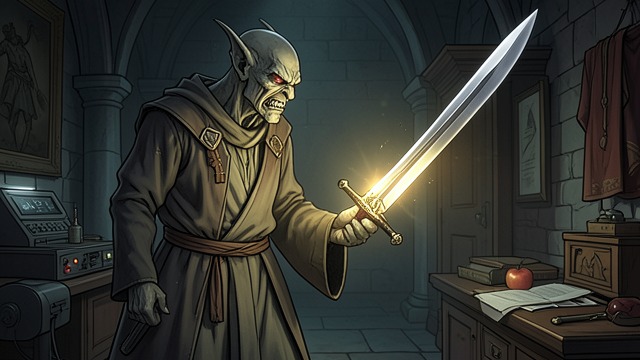
Victor Dalton questions Furibon about the Apple of Knowledge, Maure, and the Hellgate. The lich cooperates only when threatened with transfer to Vainqueur's hoard.
Hostility as Usefulness
Furibon's hatred makes him a reluctant source of accurate information. His continued existence serves the heroes even as he attempts to sabotage their morale.
Knowledge survives its owner's defeat.
The Middle Unlife
The Middle Unlife
A Captive Audience
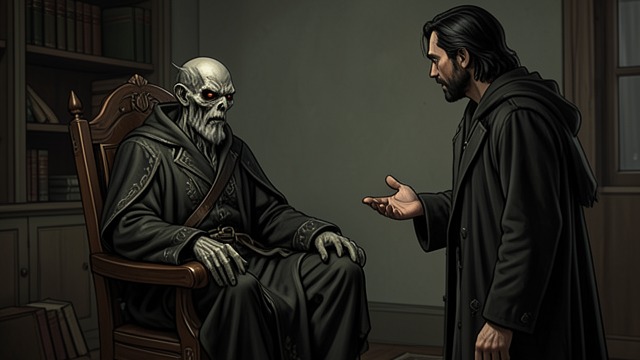
Furibon complains about being trapped, bored, and forced to listen to Vainqueur's speeches. The scythe becomes a tiny theater of posthumous resentment.
Sympathy Without Forgiveness
Victor Dalton begins to understand Furibon's isolation without absolving his crimes. The lich's loneliness makes him more recognizable but not less dangerous.
Captivity humanizes the enemy while preserving the conflict.
The Second Soul
The Second Soul
Company in the Blade
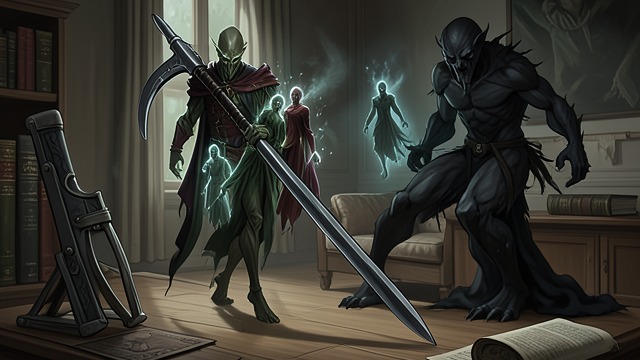
Victor Dalton traps a Shadow Fiend in the scythe beside Furibon. The lich, previously desperate for conversation, reacts with irritation and relief.
A Prison Community
The weapon now contains multiple antagonistic voices. Its occupants become a grotesque archive of the war and a continuing risk if the scythe is damaged.
The afterlife of conflict becomes social rather than solitary.
The Eternal Threat
The Eternal Threat
A Sealed Enemy
Furibon remains trapped after Victor Dalton returns from death. His inability to escape gives the heroes security, but his knowledge keeps future danger alive.
The Cost of Release
Every later crisis carries the possibility that Furibon's soul or phylactery could reenter the world. The lich is no longer the central villain, but he remains a permanent strategic concern.
Defeat becomes containment rather than erasure.
at the end of the Battle of Castle Murmurin
after Vainqueur claims Castle of Murmurin
during the preparation for the Battle of Murmurin
during the Battle of Murmurin
after Victor's resurrection
